
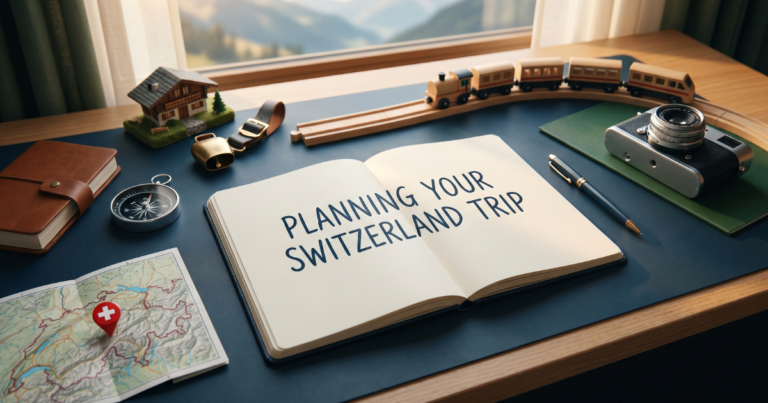
Planning a trip to Switzerland? Get ready to immerse yourself in a land of breathtaking landscapes, charming villages, and rich culture. From the snow-capped peaks of the Alps to the pristine lakes shimmering under the sun, Switzerland offers a unique blend of nature and sophistication. Whether you’re an adventure seeker aiming for thrilling skiing slopes or a traveler in search of serene lakeside retreats, this country has something for everyone.
In this guide, we’ll unveil essential tips, must-visit destinations, and practical advice to ensure your Swiss adventure is nothing short of spectacular. Learn about the best times to visit, how to navigate the efficient public transport system, and top experiences that will make your journey unforgettable. Get ready to discover the magic of Switzerland, where every corner reveals new wonders waiting to be explored!
Best Times to Visit Switzerland
Switzerland is a year-round destination, but the best time to visit depends on what you want to experience. If you’re a winter sports enthusiast, the snowy months from December to March are ideal. The Swiss Alps become a winter wonderland, offering world-class skiing, snowboarding, and other snow activities. Resorts like Zermatt, St. Moritz, and Verbier are bustling with tourists seeking the thrill of the slopes and the après-ski culture. Be sure to book accommodations and passes in advance to secure your spot in these popular destinations.
For those who prefer milder weather and outdoor activities like hiking and sightseeing, the summer months from June to August are perfect. During this period, the weather is warm and pleasant, making it ideal for exploring the picturesque towns and scenic trails. The landscapes are lush and vibrant, with wildflowers in full bloom. Popular hiking routes such as the Jungfrau Region and the Engadine Valley offer breathtaking views and a variety of trails for all skill levels. Additionally, summer is a great time to enjoy Switzerland’s beautiful lakes, where you can swim, sail, or simply relax by the water.
Spring (April to May) and autumn (September to October) are also excellent times to visit, especially if you want to avoid the peak tourist crowds. These shoulder seasons offer a mix of mild weather and fewer visitors, allowing you to enjoy attractions and natural beauty at a more leisurely pace. Spring brings blooming flowers and green landscapes, while autumn showcases stunning foliage and harvest festivals. Regardless of when you choose to visit, Switzerland’s charm and beauty are sure to captivate you.
Essential Travel Documents and Requirements
Before embarking on your Swiss adventure, it’s crucial to have all the necessary travel documents in order. Switzerland is part of the Schengen Area, so if you’re traveling from a Schengen country, you won’t need a visa for stays up to 90 days. However, travelers from non-Schengen countries should check the specific visa requirements and apply well in advance if needed. Ensure your passport is valid for at least three months beyond your planned departure date.
In addition to a valid passport and visa (if required), it’s advisable to carry a few other important documents. A copy of your travel insurance policy is essential, as it provides coverage for medical emergencies, trip cancellations, and other unforeseen events. It’s also wise to have a printout of your accommodation bookings, transportation tickets, and any other reservations you’ve made. This can help streamline your travel experience and provide peace of mind.
Health and safety are paramount, so consider any necessary vaccinations and medications you might need. While Switzerland doesn’t have specific vaccination requirements for entry, it’s a good idea to be up-to-date on routine vaccines. Additionally, carrying a small first-aid kit with essentials like pain relievers, allergy medication, and band-aids can be helpful. With all your documents and preparations in place, you’ll be ready to enjoy your trip to Switzerland without any hitches.
How to Get Around in Switzerland
Switzerland boasts one of the most efficient and reliable public transportation systems in the world, making it easy to navigate the country. The Swiss Travel System offers a range of passes that provide unlimited travel on trains, buses, and boats for a specified number of days. The Swiss Travel Pass is particularly popular among tourists, as it also includes free admission to many museums and attractions. Trains are the backbone of Swiss transportation, with an extensive network that connects cities, towns, and scenic areas.
The trains in Switzerland are known for their punctuality, comfort, and panoramic views. The famous scenic routes, such as the Glacier Express, Bernina Express, and GoldenPass Line, offer breathtaking journeys through the Swiss Alps and picturesque landscapes. For shorter distances, regional trains and trams are convenient and efficient. Major cities like Zurich, Geneva, and Basel have well-developed tram systems that make it easy to get around and explore urban areas.
If you prefer more flexibility, renting a car is another option, especially if you plan to visit remote areas or embark on a road trip. Switzerland’s well-maintained roads and clear signage make driving relatively straightforward. However, be mindful of parking regulations and the high cost of fuel. Bicycles are also a popular mode of transportation, with many cities offering bike-sharing programs and well-marked cycling paths. Whether you choose public transport, driving, or cycling, getting around Switzerland is a breeze.
Top Destinations to Explore in Switzerland
Switzerland is teeming with must-visit destinations that showcase its natural beauty, historic charm, and cultural richness. Zurich, the largest city, is a vibrant cosmopolitan hub with a blend of modernity and tradition. Stroll through the charming Old Town, visit world-class museums like the Kunsthaus Zurich, and enjoy the bustling nightlife. For a taste of luxury, head to Bahnhofstrasse, one of the world’s most exclusive shopping streets, where you can find high-end boutiques and Swiss watchmakers.
Geneva, located on the shores of Lake Geneva, is another top destination. Known for its international organizations, including the United Nations, Geneva offers a mix of cultural and natural attractions. Explore the Jet d’Eau, a famous water fountain, and take a walk along the scenic lake promenade. The city is also home to numerous museums, such as the International Red Cross and Red Crescent Museum and the Patek Philippe Museum, which delves into the history of watchmaking.
For a quintessential Swiss experience, visit Lucerne, nestled amid the mountains and the stunning Lake Lucerne. The city is renowned for its well-preserved medieval architecture, including the Chapel Bridge and Water Tower. Take a boat cruise on the lake or ride the world’s steepest cogwheel railway up to Mount Pilatus for panoramic views. Other notable destinations include Interlaken, a gateway to the Jungfrau Region, and Zermatt, home to the iconic Matterhorn. Each destination offers unique experiences and unforgettable memories.
Swiss Cuisine: What to Eat and Drink
Swiss cuisine is a delightful fusion of German, French, and Italian influences, reflecting the country’s diverse cultural heritage. One of the most iconic dishes you must try is fondue, a communal pot of melted cheese served with bread cubes for dipping. Traditionally made with a blend of Gruyère and Emmental cheeses, fondue is a warming and convivial meal perfect for sharing. Another cheese-based favorite is raclette, where melted cheese is scraped over boiled potatoes, pickles, and onions.
For those with a sweet tooth, Switzerland is synonymous with chocolate. Swiss chocolatiers have a long-standing reputation for producing some of the finest chocolate in the world. Don’t miss the opportunity to visit a chocolate factory or shop to sample and purchase artisanal chocolates. Swiss pastries and desserts, such as the rich and nutty Engadine nut tart or the light and flaky Zuger Kirschtorte, are also worth indulging in.
When it comes to beverages, Switzerland offers a variety of regional wines, with vineyards primarily located in the French-speaking regions. White wines like Chasselas and red wines such as Pinot Noir are popular choices. Additionally, don’t forget to try Rivella, a uniquely Swiss soft drink made from milk whey, and Ovomaltine, a malted drink similar to Ovaltine. Whether you’re dining in a cozy mountain chalet or a sophisticated city restaurant, Swiss cuisine is sure to delight your taste buds.
Budgeting Your Trip: Costs and Tips
Switzerland is often perceived as an expensive destination, but with careful planning and budgeting, you can manage your expenses without compromising on experiences. Accommodation is likely to be one of the biggest costs, but there are options to suit different budgets. Consider staying in hostels, budget hotels, or even Airbnb rentals to save money. Booking in advance and staying in less touristy areas can also help reduce costs.
Transportation is another significant expense, but the Swiss Travel Pass can offer excellent value if you plan to use public transport extensively. It provides unlimited travel on trains, buses, and boats, and includes free or discounted entry to many attractions. For meals, dining out can be pricey, so look for affordable options like self-service restaurants, supermarkets, and food markets. Many Swiss supermarkets offer ready-to-eat meals and picnic supplies, which are perfect for budget-conscious travelers.
To further manage your budget, take advantage of free activities and sights. Switzerland is renowned for its natural beauty, and many of its scenic attractions, such as lakes, mountains, and hiking trails, are free to explore. Additionally, cities like Zurich and Geneva offer free walking tours that provide insightful and budget-friendly ways to learn about the local history and culture. With these tips, you can enjoy a memorable Swiss adventure without breaking the bank.
Packing Essentials for Your Swiss Adventure
Packing for a trip to Switzerland requires careful consideration of the weather and your planned activities. Regardless of the season, layering is key, as weather conditions can vary significantly, especially in the mountains. Start with moisture-wicking base layers to keep you dry, followed by insulating layers for warmth, and a waterproof outer layer to protect against rain and snow. A versatile jacket that can handle both cold and wet conditions is a must.
Comfortable footwear is essential, particularly if you plan to do a lot of walking or hiking. Sturdy hiking boots are advisable for mountain trails, while comfortable walking shoes are suitable for exploring cities and towns. Don’t forget to pack accessories like a hat, gloves, and a scarf for added warmth during the colder months. Sunglasses and sunscreen are also important, as the sun can be intense at higher altitudes.
Other essentials include a reusable water bottle, a travel adapter for electronic devices, and a lightweight backpack for day trips. It’s also helpful to carry a small first-aid kit with basic supplies. If you plan to visit high-altitude areas, consider packing altitude sickness medication. Lastly, keep your travel documents, maps, and any necessary reservations easily accessible. With these essentials, you’ll be well-prepared to enjoy your Swiss adventure.
Cultural Etiquette and Local Customs
Switzerland has a rich cultural heritage, and observing local customs and etiquette will enhance your travel experience. The Swiss value punctuality and efficiency, so it’s important to be on time for appointments, tours, and transportation. In social settings, a firm handshake with eye contact is the standard greeting. When addressing someone, especially in formal situations, use their title and last name until invited to use first names.
Respect for the environment is deeply ingrained in Swiss culture, and you’ll notice the country’s cleanliness and well-preserved natural landscapes. Be mindful of littering and recycling, as there are strict regulations and designated bins for different types of waste. Additionally, noise levels are generally kept low, particularly in residential areas and on public transportation. It’s considered courteous to maintain a quiet demeanor and avoid loud conversations.
Tipping is appreciated but not obligatory, as service charges are typically included in the bill. However, rounding up the bill or leaving a small tip for exceptional service is common practice. When dining, wait for the host to start the meal and say “Guten Appetit” (Enjoy your meal) before you begin eating. Finally, learning a few basic phrases in the local language (German, French, Italian, depending on the region) can go a long way in showing respect and building rapport with locals.
Conclusion and Final Travel Tips
Switzerland is a destination that promises an unforgettable experience with its stunning landscapes, rich culture, and efficient infrastructure. Whether you’re drawn to its snowy peaks, serene lakes, or charming cities, careful planning and preparation will ensure your trip is smooth and enjoyable. Remember to choose the best time to visit based on your interests, have all necessary travel documents in order, and familiarize yourself with the local customs and etiquette.
Navigating Switzerland is a breeze with its top-notch public transportation system, but renting a car or cycling can offer additional flexibility. Make sure to explore a mix of popular destinations and hidden gems to fully appreciate the diversity of the country. Savor the delicious Swiss cuisine, from hearty cheese dishes to exquisite chocolates, and manage your budget by taking advantage of affordable accommodations, transportation passes, and free activities.
Packing wisely and being mindful of the weather will keep you comfortable throughout your journey. With these tips and insights, you’re well-equipped to embark on a Swiss adventure that will leave you with cherished memories and a longing to return. So pack your bags, embrace the Swiss spirit, and get ready to discover the wonders of this beautiful country.